For warehouse supervisors and operations managers across South East Queensland, the annual racking audit is a familiar fixture on the calendar. However, as any veteran of the Brisbane industrial sector knows, compliance isn’t a once-a-year event – it’s a daily operational battle.
While the AS4084:2023 standards provide the roadmap, the “hidden” challenges of managing a high-turnover facility often fall between the lines of the official checklist. From the humid corridors of the Port of Brisbane to the high-velocity distribution hubs of Wacol and Rocklea, maintaining structural integrity requires more than just a passing grade on a report.
Here are five practical challenges Brisbane warehouse managers face in maintaining a truly compliant facility, and how to navigate them.
The most significant threat to your racking isn’t the major forklift collision that brings down a bay; it’s the dozen “minor” bumps that go unreported. In a busy Brisbane warehouse where KPIs are tied to pallets-per-hour, drivers are often incentivised to keep moving rather than stop the line to report a dented upright.
The Solution: Build a “No-Blame” safety culture. If a driver feels that reporting a minor impact will lead to a reprimand, they won’t report it. High-performing sites across SEQ are moving toward a culture where reporting an impact is seen as a proactive safety win. Encourage your team to flag “Amber” risks early. It is far more cost-effective to coordinate a professional racking repair during a scheduled window than to deal with an emergency “Red Risk” isolation that shuts down an entire aisle during peak season.

Brisbane’s climate presents a unique challenge for steel storage systems. In open-bay warehouses, common in the southern and eastern industrial corridors, ambient humidity levels can fluctuate wildly.
High humidity combined with the heavy dust loads typical of industrial zones can lead to localised corrosion, particularly at the baseplates and floor fixings. Dust acts as a desiccant, holding moisture against the steel and accelerating the breakdown of galvanised or powder-coated finishes.
The Advice: Incorporate “Environmental Sweeps” into your monthly internal safety walks. Look specifically for ‘tea-staining’ or bubbling paint on uprights near loading docks or areas exposed to the elements. Catching surface corrosion early prevents it from becoming a structural integrity issue that fails your next official audit.
When a rack is damaged, the temptation to have a local maintenance person “straighten it out” or weld a patch over it can be strong – especially when you’re facing a backlog of orders. However, under Australian Standards, any unauthorised modification or non-certified repair immediately voids the manufacturer’s load rating.
From an insurance perspective, a DIY fix is often worse than the damage itself. If a failure occurs, the liability rests solely on the individual who authorized the non-compliant repair.
The Solution: Always ensure repairs are conducted by QBCC licensed racking installers. This ensures the repair is certified, the load signs remain valid, and your insurance coverage stays intact.
An external audit shouldn’t be a day of discovery for the manager; it should be a day of verification. We often see managers pay for an auditor’s time only to spend half that time moving pallets or hunting for load signs.
To get the most value out of your Brisbane racking audit, follow this internal pre-flight checklist:
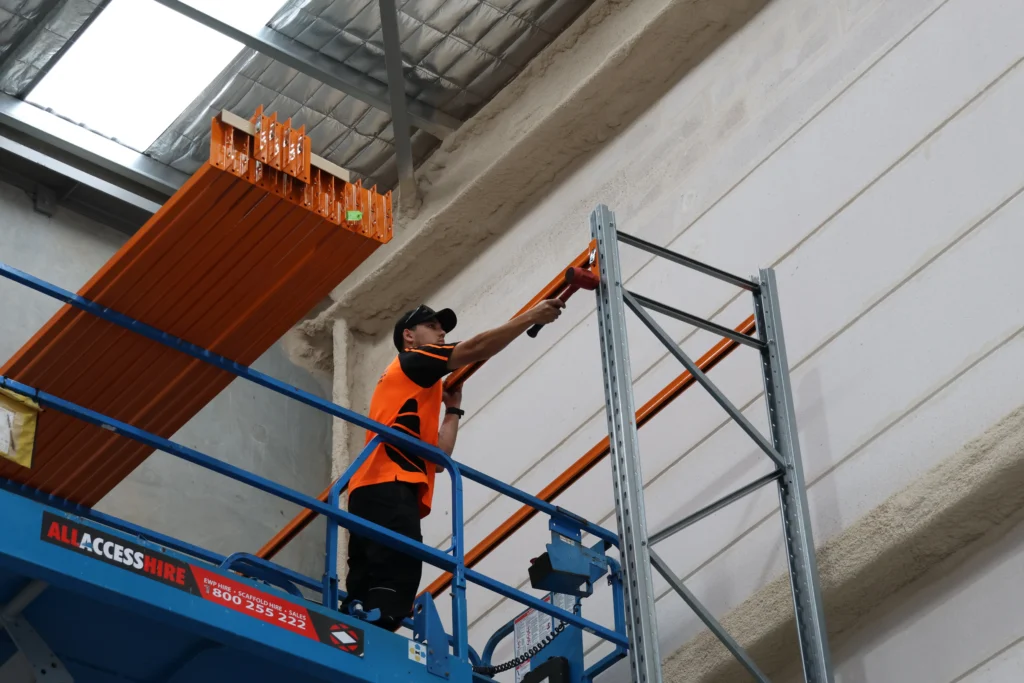
As Brisbane grows, many businesses are outgrowing their existing footprints, leading to “creative” uses of space. This often involves reconfiguring existing racking to squeeze in more SKUs.
The challenge here is that changing a beam level or adding a bay isn’t just a physical task – it’s a structural one. Every time you change the configuration, the load-bearing capacity of the entire system changes.
The Tip: Before you move a single beam, consult with your racking partner. A quick check of the original technical drawings can prevent a catastrophic overload and ensure that your new configuration remains fully compliant with the latest safety standards.
Compliance is a moving target. Whether you are managing a boutique 500sqm site in Murarrie or a massive 20,000sqm hub in Acacia Ridge, the goal remains the same: a warehouse where every staff member goes home safe.
By focusing on the “human” side of reporting, respecting the SEQ environment, and avoiding the lure of uncertified repairs, you turn compliance from a yearly headache into a competitive advantage.
Maintaining a safe warehouse is an ongoing process. For more practical advice on managing your floor safety or to schedule your next annual check with our local team, contact Cannan Industries today.